Open now — 24/7 commercial storm response St. Louis Metro & Metro East (314) 429-6000
John Beal Roofing rectangle logo in yellow and black Commercial Roofing STLBy John Beal Roofing

Snow Load, at a glance

Most St. Louis commercial roofs were designed under codes that put the ground snow load around 20 pounds per square foot, and a typical winter never gets close. The trouble comes from drifts piled against parapets and taller walls, rain soaking into snow that's already there, and frozen drains turning melt into ice. See sagging, hear popping, or notice doors that suddenly stick? Get people out and call (314) 429-6000. Answered 24/7.

Snow collapses aren't common here. That's exactly why they catch people off guard. A week where eight inches falls, the drains freeze, and then it rains on top of all of it puts real weight on a roof nobody has looked at in years.

The weight is simple math. Fresh, fluffy snow runs maybe 5 to 7 pounds per cubic foot, while old, packed snow can be three times that. Water adds about 5.2 pounds per square foot for every inch of depth, and ice isn't far behind. So a foot of settled snow with an inch of rain soaked into it is a very different load than a foot of powder that fell overnight in Chesterfield.

Where The Weight Goes

What Actually Overloads A Flat Roof

Drifts against walls

Wind scours the open field and dumps snow against parapets, penthouse walls and the low side of a step-down. Drift loads there can run several times the field load. Most failures start at a drift, not mid-roof.

Commercial roof deck types

Rain on snow

Snow acts like a sponge. A rain event on top of existing snow can add a lot of weight fast, and nothing looks any different from the parking lot.

24/7 emergency response

Frozen drains

Interior drains freeze at the bowl when the roof above them stays cold. Melt from the sunny side has nowhere to go and refreezes in the low spots. Ice dams on flat roofs are real.

Ice dams on commercial roofs

Ponding bays

A roof that holds water in July holds ice in January, in the same spot, on the same sagging joists. That's the bay we watch first after a storm.

Fixing ponding water

Warning signs inside

Sagging ceiling tiles, fresh drywall cracks near columns, overhead doors that bind, sprinkler pipes pulling at their hangers, popping from the joists. Any of those, clear the space below.

Extra layers add dead load

Every layer of old roof, every ton of gravel and every soaked insulation board eats into snow capacity. A building with two roofs and wet board is already carrying weight it wasn't designed for.

Tear-off vs recover
Aerial view of a large warehouse complex with a white flat roof, commercial roofing St Louis
After The Storm

Clearing Snow Without Wrecking The Membrane

Most of the time you shouldn't clear a flat roof at all. If it's holding a normal snowfall and the drains are flowing, leave it alone. Shovels damage more roofs in this town than snow does.

When clearing makes sense, it's about drifts and drains. Plastic shovels only. Leave two or three inches on the membrane, and never chip ice off a seam, because steel edges and ice picks slice TPO and EPDM in seconds and you won't find the cut until the April rains.

Don't throw snow onto a lower roof below, and nobody goes up without fall protection. Snow hides skylights, and people fall through them every winter; see our notes on OSHA roof access and fall safety.

After the melt, we'll walk the roof for free and look for shovel cuts, split seams at drains and anything that shifted in the drift zones. If there's a claim coming, photos and dates matter, and we'll document both. More on that in storm damage and insurance.

Get A Free Evaluation

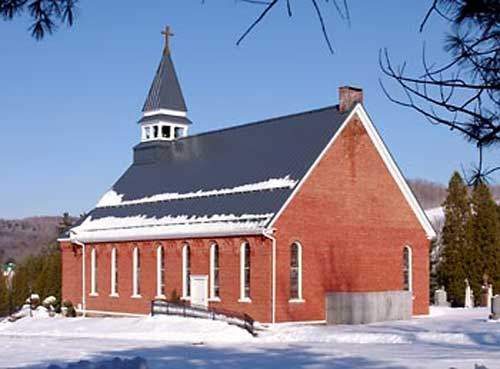
Brick church with a dark slate gable roof and light snow in winter, commercial roofing St Louis

Common Questions

How much snow can our flat roof hold?

There's no single number. It depends on the deck, the joists, the design load on the drawings and what's been added since, like extra roof layers or bigger rooftop units. The design snow load is usually listed on the structural sheets. Have a structural engineer confirm it on any building that's been modified.

Should we have the roof shoveled every time it snows?

No. A routine snowfall isn't the risk. Watch the drift zones and the drains, and call when heavy, wet snow is followed by rain in the forecast, or when you see warning signs inside.

Will heat cable keep our drains open?

It helps at drains and scuppers that freeze every year, if it's installed right and the breaker's actually on. It won't fix a sump or insulation problem that's letting the drain bowl freeze in the first place.

Does insurance cover snow damage?

Sudden damage from snow weight is often covered, while long-term wear usually isn't. Read your policy and keep dated photos. We'll document roof conditions for you during a free inspection.

What do we do if the roof starts sagging at night?

Get everyone out from under it first. Then call (314) 429-6000. It's answered 24/7, and we'll help get the load and any leaks under control.

Free Winter Roof Check

Tell us about the building and a dispatcher will call to schedule.

No cost, no obligation. Water coming in now? Call (314) 429-6000 — the line is answered 24/7.

Water Coming Through The Ceiling?

Commercial leaks do not wait for business hours. A live dispatcher answers around the clock and we get crews moving the same night.

(314) 429-6000 Free Evaluation