
Written for a board
Condition ratings and remaining service life stated plainly enough to present at a meeting.
Condominium roofing in St. Louis has to satisfy the association's documents, the reserve budget and every owner underneath. John Beal Roofing provides per-building condition reports, a phased schedule, and documentation the board can hand to owners and to its insurer. Free inspections. Call (314) 429-6000.
We work with condo boards, unit owners and management companies across the St. Louis metro and Metro East Illinois. The recurring problem is not the roof itself — it is governing documents that split responsibility between the association and the owner.
We scope it to match how the work has to be bought. Every section is reported, priced and scheduled on its own, letting you approve everything, half, or only the two buildings that will not survive another winter.
Condition ratings and remaining service life stated plainly enough to present at a meeting.
Scoped so it lines up with how your reserve study and assessment cycle actually work.
How to compare roofing bidsDated photos and moisture readings, which is what makes a storm claim defensible.
Roof capital planningThe technical work is ordinary commercial roofing. The governance around it is what makes condominium projects different.
The first question on any condo roof is who owns it. In most associations the roof is a common element maintained by the association and funded collectively, while interior damage below belongs to the unit owner and the unit owner's policy. Stating that boundary clearly at the outset prevents a great deal of friction later, when a unit ceiling is damaged and two insurers are looking at each other.
Reserve funding drives the timeline more than roof condition does. Associations plan replacement against a reserve study, and where the reserve falls short a board faces a choice between a special assessment and deferring the work. We would rather help a board understand honestly how many seasons a roof realistically has than push a replacement that forces an assessment a year early.
Decisions take longer than owners expect, and that is the structure working rather than a problem. Boards have bidding obligations, meeting schedules and often owner-approval thresholds above a set expenditure. We build that into the schedule instead of pressuring a board to shortcut it.
Multi-building associations are nearly always phased. Sequencing matters: worst condition first, spread across budget years where necessary, with the whole plan documented so successive boards inherit a program rather than a surprise.
Owner communication is a deliverable, not a courtesy. Residents need to know which building is being worked, on which days, where to move vehicles and what the noise will be. We supply notices the association can distribute, so the board is not fielding questions it has no answers to.
Where a storm event is involved, the association's claim and an individual owner's claim are separate processes, and we document common-element damage to the standard the association's carrier will require.
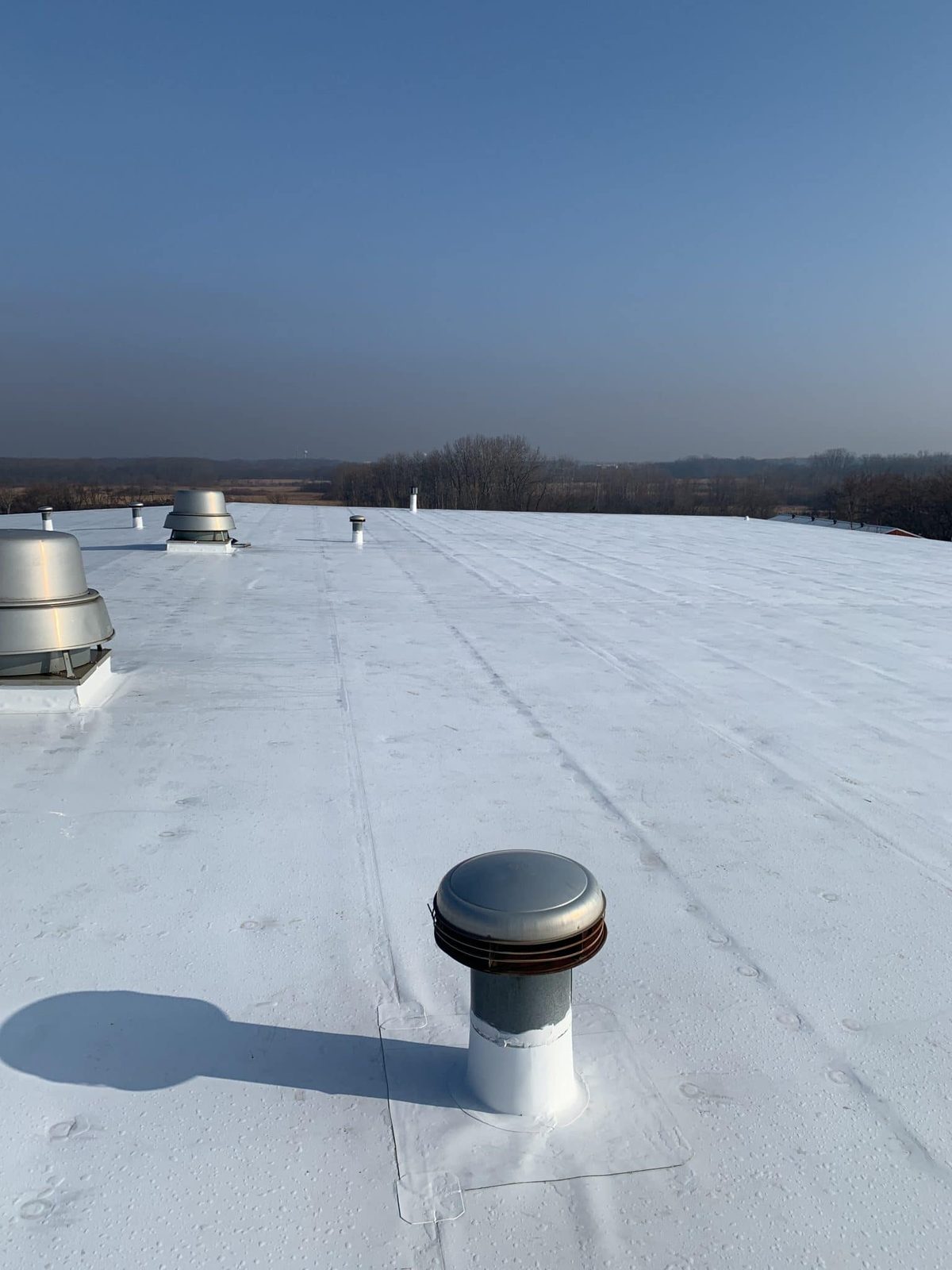
Crews stage on one building at a time. Deliveries land the morning of use, not days early where they eat up parking.
Tear-off is limited to what the crew can dry in before leaving. The people underneath never go a night with the deck open above them.
Daily close-out means a magnet sweep, debris removal, and a clear heads-up on the next day of work.
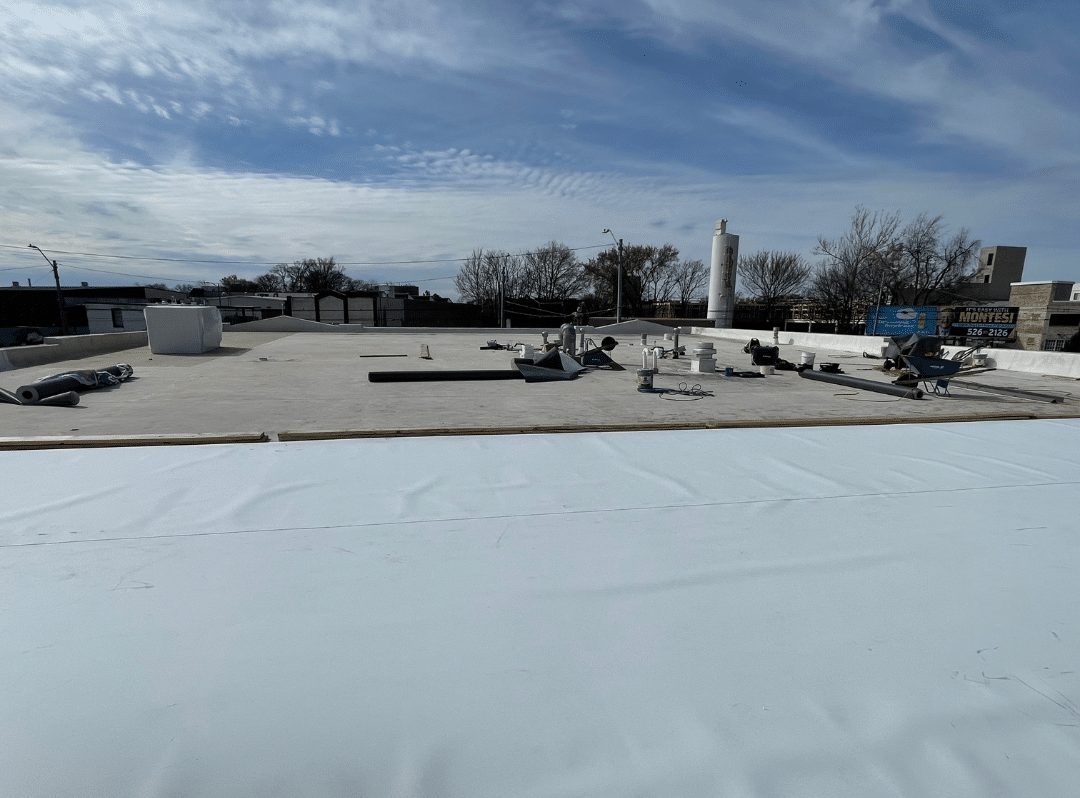
Unit owners are residents, not tenants, and they will contact the board directly. We supply notices the association can distribute ahead of each building, so the board is not answering questions it has no information for.
Yes, and associations almost always need it that way. Per-building pricing is what lets a board phase work against reserves instead of forcing a single large special assessment.
Manufacturer coverage on the materials plus our workmanship warranty, issued to the association, with documentation the board can hand to its successors and its reserve study.
We mobilize for temporary dry-in as soon as conditions allow. We also document whether the entry point is common element or unit responsibility, because that determines which policy responds.
Yes. Illinois-side associations are covered by our Edwardsville crews, with the same documentation the Missouri associations get.
Tell us about the association and a dispatcher will call to schedule.
Commercial leaks do not wait for business hours. A live dispatcher answers around the clock and we get crews moving the same night.