
Low-odor specified
Systems chosen so fumes do not reach residents with respiratory conditions through rooftop intakes.
Roofing over a senior living community means low noise windows, sealed work areas, protected entries and residents who never lose access to their building. John Beal Roofing plans the sequence with the administrator before a single square is torn off. Free inspections. Call (314) 429-6000.
We work with administrators, directors of environmental services and ownership groups across the St. Louis metro and Metro East Illinois. The recurring problem is not the roof itself — it is residents with limited mobility, oxygen equipment, and strict infection-control and access rules.
That is why the scope is built around how you really purchase the work. Every section is reported, priced and scheduled on its own, letting you approve everything, half, or only the two buildings that will not survive another winter.
Systems chosen so fumes do not reach residents with respiratory conditions through rooftop intakes.
Those wings scheduled with clinical staff, because disruption there has clinical consequences.
How to compare roofing bidsPhased so residents stay in their apartments rather than being moved for the project.
Roof capital planningThe residents inside these buildings are the most disruption-sensitive population we work above, and the plan has to begin there.
Noise affects this population differently. Tear-off overhead is genuinely distressing for residents with dementia or cognitive decline, and memory care areas need specific care in scheduling: shorter working windows, advance coordination with clinical staff, and sequencing that moves work away from those wings as quickly as possible.
Clinical operations cannot be interrupted. Oxygen concentrators, medical equipment, medication rooms and nurse call systems all have to keep running, and emergency vehicle access must stay clear at every hour of every day. Staging that blocks an ambulance route is not a scheduling inconvenience, it is a safety failure.
Air intakes matter more here than on almost any other occupied building. Rooftop intakes serving resident rooms will draw in odors from adhesives, primers and hot asphalt, so material selection leans toward low-odor and self-adhered systems, and intakes near active work get shut down or rerouted with facilities staff.
Mobility limits how residents can respond to anything unexpected. Walkways, entrances and drop-off areas need to stay clear and genuinely accessible rather than rerouted across grass or gravel, and any temporary path has to work for a walker or a wheelchair.
Communication runs through administration and staff rather than resident by resident, and families should hear about it as well. Staff who know what is happening on which day can answer a resident's question in the moment, which prevents a great deal of anxiety.
These campuses typically combine several building types, independent living, assisted living, memory care and a commons or dining building, often with different roof systems and ages. They get assessed individually and phased rather than priced as a single campus number.
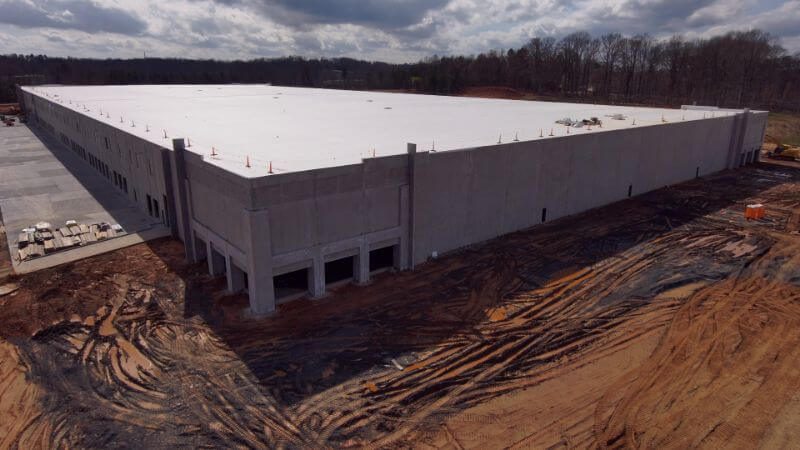
Crews stage on one building at a time. We schedule material drops for the morning they go on the roof, so parking stays open.
We only tear off what can be dried in before the crew goes home. No tenant ever spends a night under an open deck.
Each evening we magnet-sweep the site, haul the debris, and walk you through the next day.
Related: Hotel and hospitality roofing
This is the most disruption-sensitive population we work above. Memory care areas get shorter working windows coordinated with clinical staff, emergency vehicle access stays clear at all times, and rooftop air intakes near the work are shut down or rerouted.
Yes. Independent living, assisted living, memory care and the commons building are usually different ages and systems, and pricing them individually is what makes phasing possible.
Manufacturer coverage on the materials plus our workmanship warranty, documented per building across a campus where independent living, assisted living and memory care often carry different systems.
We mobilize for temporary dry-in as soon as conditions allow. Water in resident rooms or clinical areas is treated as urgent regardless of the hour.
Yes. Metro East senior living campuses are covered by our Edwardsville crews.
Tell us about the community and a dispatcher will call to schedule.
Commercial leaks do not wait for business hours. A live dispatcher answers around the clock and we get crews moving the same night.