
1. Building and roof data
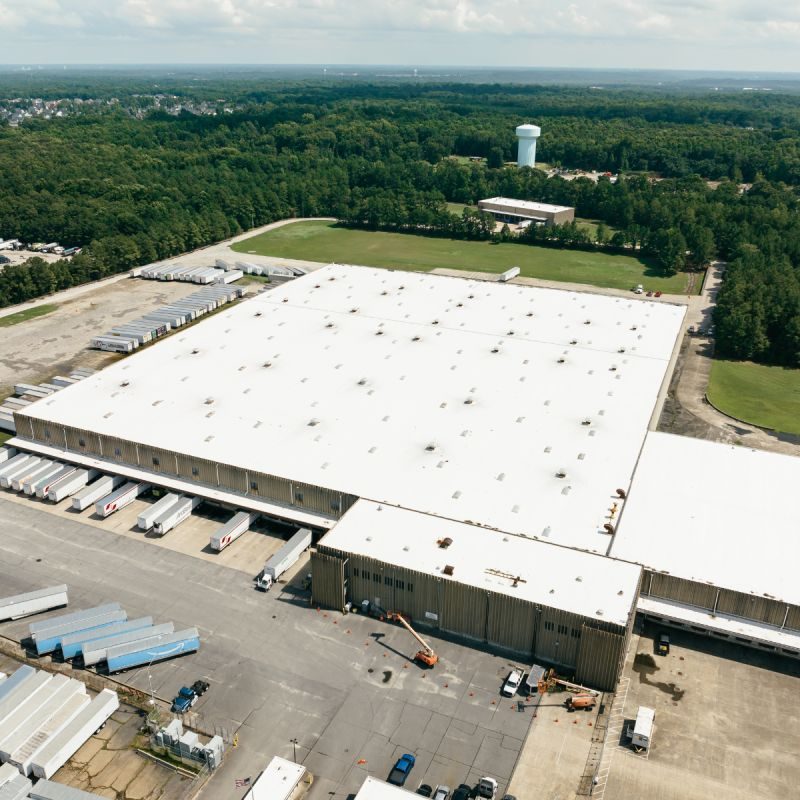
Address, roof plan with square footage per section, roof height, access points, and where a crane or lift can set up. Note the hours the building is occupied.
A roofing RFP only works if every bidder prices the same roof. That means spelling out the existing assembly, the new assembly down to membrane thickness and attachment method, the warranty term, and unit prices for the unknowns like wet insulation and bad deck. Use the sections below as your template. John Beal Roofing will walk the roof and help fill in the blanks at no cost. Call (314) 429-6000.
We read a lot of RFPs. The worst ones are a paragraph long and say replace roof per manufacturer specs. Five contractors read that five different ways. One prices 45 mil TPO mechanically attached over a single layer of board. Another prices 60 mil fully adhered with tapered insulation and a cover board. The numbers come back nowhere near each other, and there's no way to tell which bid is cheap and which one's just wrong.
A good template fixes that. It doesn't need engineered drawings. It needs to answer every question a bidder would otherwise guess at. For the other half of the job, reading what comes back, see how to compare commercial roofing bids.
Address, roof plan with square footage per section, roof height, access points, and where a crane or lift can set up. Note the hours the building is occupied.
Number of layers, insulation type and thickness, deck type, and whether any of it is wet. Cores or an infrared scan answer this before bid day.
Core samplingMembrane type and mil, attachment method, insulation R-value and layer count, cover board, tapered layout, and the flashing details at curbs, walls and edges.
Name the term in years, say whether you want a manufacturer NDL or material-only coverage, and ask for the contractor's workmanship terms in writing.
NDL vs material warrantyEveryone prices the same units: per square foot of wet insulation replaced, per sheet of deck replaced, per linear foot of wood blocking. That's where change orders live.
Work hours, noise limits, parking, staging, dumpster spot, and who signs off on daily dry-in. Add the insurance certificates and lien waivers you'll require.
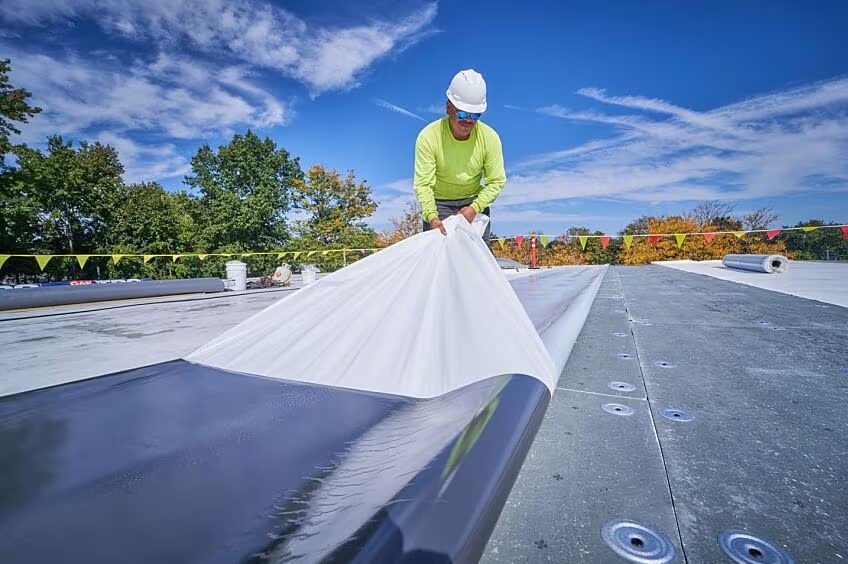
Put the base bid and the alternates on separate lines. Base bid might be tear-off to the deck, code-minimum insulation and 60 mil TPO. Alternate one adds tapered board at the drains. Alternate two bumps the warranty term. Now you can see what each upgrade actually costs.
Get specific about the parts people skip. Edge metal gauge. Whether curbs get raised to eight inches above the finished roof. Whether the rooftop units get disconnected by your HVAC contractor or the roofer's. Who pulls the permit, because St. Louis County, the City, and a municipality like Kirkwood or Clayton aren't the same office.
Decide tear-off or recover before you send it, or ask for both as separate prices. Our tear-off vs recover guide covers how that call gets made.
Give bidders a walk date, a questions deadline and one written addendum that answers every question to everyone. Then compare the bid forms line by line. When one number is way off, it's almost always a scope miss, and the addendum is where you catch it.
Short on time? Steal this order for the bid form itself: base bid lump sum, each alternate as an add or deduct, the unit price table, proposed membrane manufacturer and product, warranty term offered, start date and duration, and the name of the foreman who'll actually run the job. If a bidder won't fill in a line, that tells you something too.
Not always. Big or complicated roofs benefit from one. For a typical low-slope replacement, a clear template plus core data gets you bids you can actually compare.
Three to five qualified bidders is plenty. Past that, nobody takes the walk-through seriously.
Certificates of insurance, manufacturer certification, a sample warranty, references on similar roofs and the name of the foreman who'll be on site.
You can name one and allow or approved equal. That keeps the assembly consistent without locking out good alternatives.
Yes. We'll inspect the roof for free and give you a written condition report and core data you can hand to every bidder.
Tell us about the property and a dispatcher will call to schedule the walk.
Commercial leaks do not wait for business hours. A live dispatcher answers around the clock and we get crews moving the same night.